In all of our years of experience, a common problem we encounter is deeply discharged AGM batteries. This isn’t a new issue—it has existed from the start. Most people ask two questions: How can I prevent this? and Can I switch to a different type of battery to avoid it altogether? The answer comes with both good news and bad news.
First, we want to point out that this problem has become increasingly common since the COVID years, which brought a major rise in remote work. From our experience, this shift has directly contributed to the issue. When you combine less frequent driving with increased rideshare usage (like Uber) and more tech-driven vehicles, the result is occasional dead batteries—and often an unexpected $400 replacement cost.
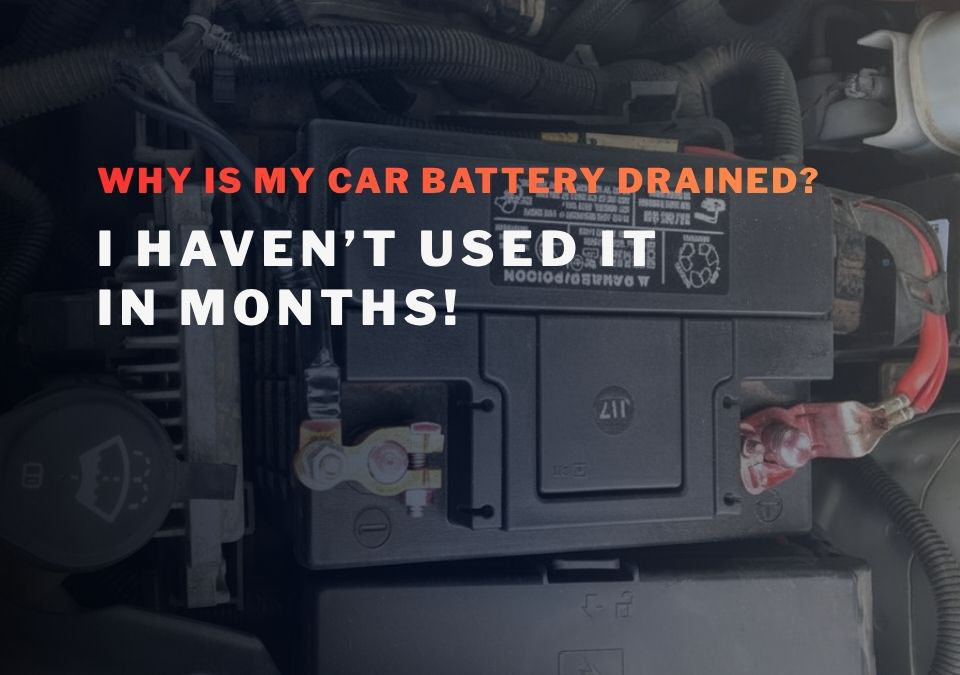
More and more people are leaving their vehicles sitting for extended periods, often without realizing it. A simple solution—especially if you own a newer or luxury vehicle equipped with advanced technology—is to take a few minutes to disconnect the negative battery terminal if the car will sit unused for a long period. To prevent accidental contact, place a shop towel or similar barrier between the terminal and the post.
Another option is to set a reminder to drive your car regularly—think of it like taking your dog for a walk. Keeping the battery active is one of the easiest ways to extend its life. However, it’s important to note that letting a vehicle idle for a few minutes is usually not enough to recharge an AGM battery—longer drives or a battery maintainer are more effective.
A common question we hear is:
The short answer is yes—but with an important caution. Every situation is different. Factors such as the battery’s age, whether it has been fully discharged before, and how long it has been sitting all play a role. Without that history, even a professional can’t give a precise answer. It’s also important to understand that a deeply discharged AGM battery does suffer damage, and you should expect it to lose charge faster than before.
Another frequent question is:
You’ll often see estimates of 3–6 months online, but that’s just a general guideline. In reality, batteries can discharge much faster depending on conditions. If you want to avoid the cost of replacement, it’s best to start your vehicle or drive it at least once a week. In some cases, a battery can drain in as little as 2 weeks to 2 months.
Temperature also plays a big role. Extreme heat or cold, leaving lights on, or parasitic drains from vehicle electronics can all contribute to battery depletion. Even when the vehicle is off, it is still drawing power from systems like onboard computers, sensors, and keyless entry features—this is known as a parasitic draw. With modern safety systems and advanced technology, it has become increasingly difficult to pinpoint exactly what is draining a battery while a car sits unused.
If you have any questions or need help diagnosing your battery, give us a call—we’re here to help.